
A new starter's first day sets the tone for everything that follows. Long before performance reviews or team dynamics come into play, a new hire is forming an impression from small, concrete things: is my desk set up, does anyone know I'm starting, is there anything on my desk that says "we were expecting you."
A well-put-together new starter pack answers that last question in the most literal way possible. But it only works if what's inside actually gets used. A logo-covered stress ball and a branded lanyard nobody asked for do more to signal "we bought this in bulk and didn't think about it" than they do to make someone feel welcome. This checklist is built around the opposite goal: practical, well-made items a new hire will actually reach for in week one, and keep using long after.
This post is deliberately focused on the "what": the specific items worth including. For the bigger picture, why welcome packs matter in a remote or hybrid workplace, when they should arrive, and how to handle branding without overdoing it, see our complete guide to employee welcome packs.

The checklist: what to include
1. Something to write with and in
A decent notebook and pen is still the most reliably useful item in any starter kit, especially for anyone sitting through a first week of meetings and system walkthroughs. Look for a proper A5 notebook rather than a flimsy giveaway pad. Options like the Colour Block Notebook, Pen and USB Desk Kit and the A5 Tyvek Notebook and Pen Desk Kit cover this in one item, or browse the full writing and notes range to match your budget.

2. Something to drink from
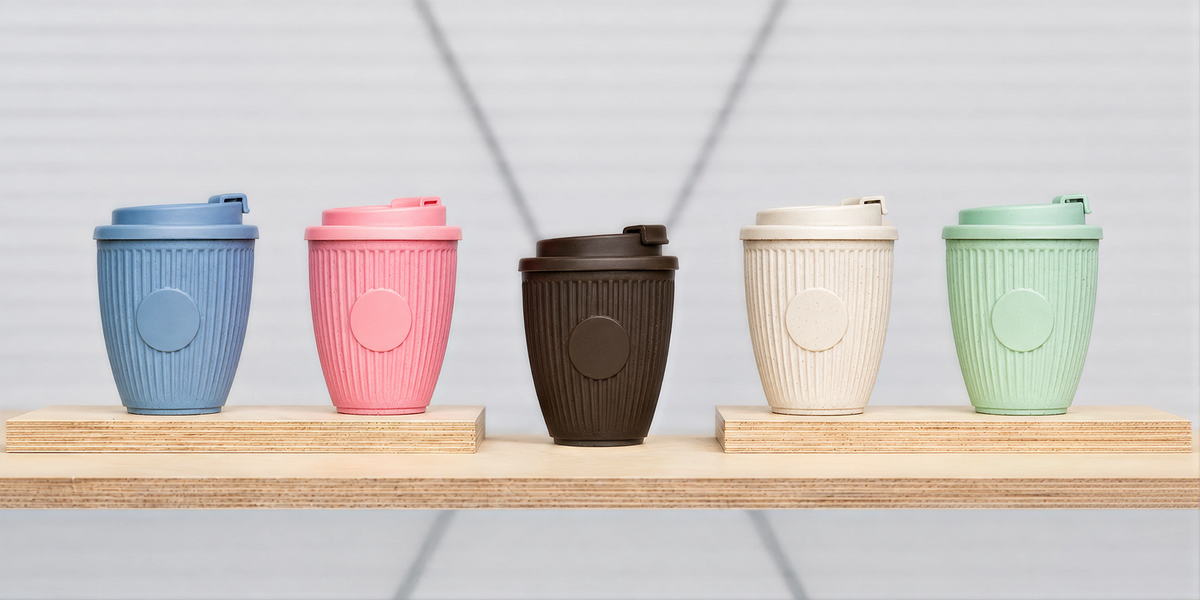
A quality drink bottle or coffee cup gets used every single day, which makes it one of the highest-value items per dollar in a starter kit. The Day One Coffee and Pen Kit Starter pairs a travel cup with a pen in one bundle, and the 650ml Bamboo Lid Water Bottle is a solid standalone option. See the full bottles and tumblers collection for more.
3. A small tech essential
New starters are almost always juggling cables in their first week: a laptop charger, a phone cable, sometimes a work phone charger too. A compact item like the Bamboo Tech Cable and Pen Kit or the A5 Bamboo Notebook and 3-in-1 Charging Cable Desk Kit solves a real, small annoyance in a way that's genuinely appreciated.
4. Something to carry it all in
If your new starter is commuting, hybrid, or moving between sites, a tote or work bag gives them somewhere to put the rest of the kit rather than leaving it in a pile on the desk. The Shoulder Tote Bag and Tyvek Work Bag both work well here. For teams that also want laptop protection included, it's worth reviewing our separate guide on choosing a personalised laptop bag or sleeve for the role.

5. A wearable, if it suits your culture
Branded apparel is optional and depends heavily on your workplace. A Staple T-shirt or Relax Hoodie works well for casual, team-oriented cultures and site or warehouse teams, but can feel like a mismatch for a client-facing corporate role. If you do include apparel, confirm sizing with the new starter before their first day rather than guessing.

6. A personal touch
This is the item that turns a kit into a welcome. A handwritten card, a short note from the manager or team, or a small card holder like the 100% Recycled rPET Felt Card Holder costs almost nothing to add and is consistently what new starters mention when they talk about a good first day.
7. Packaging that doesn't undercut the effort
The box or bag the kit arrives in is part of the impression too. Cheap plastic packaging can undo the effort put into everything inside it.

Pre-built kits that check most of this off in one order
If assembling a kit item by item isn't practical for your team size, a pre-built option covers most of this checklist in a single product. The Workday Welcome Kit Starter, A5 Tyvek Notebook and Insulated Bottle Welcome Kit, and Out Together Tote and Lunch Kit each bundle two or three of the categories above. Browse the full onboarding kits collection to compare options by budget and team size.
Common mistakes to avoid
- Skipping sizing on apparel. A hoodie in the wrong size sits in a drawer unused. Confirm sizing before day one if apparel is part of the kit.
- Over-branding everything. One or two branded items land well. A logo on every single piece starts to feel more like marketing than a gift.
- Choosing low-quality items to cut costs. A pen that stops working in week two, or a bottle that leaks, reflects on the company more than a smaller, better-made kit would.
- Forgetting the personal element. Merch alone doesn't make someone feel welcome. Pair it with an actual note or introduction.
- Ordering per-person instead of building in buffer. New starters occasionally start later than planned or roles get filled unexpectedly. A small buffer stock avoids a last-minute scramble.
FAQs
What should be in a new starter kit? At minimum, something practical for daily use (a notebook, drink bottle, or tech accessory), a way to carry it, and a personal touch like a card or note. Apparel and premium items are optional extras depending on budget and culture.
How much should a company budget per new starter pack? This varies widely by industry and seniority, but most Australian businesses land somewhere between a modest desk kit for broad rollout and a more premium bundle reserved for leadership hires or client-facing roles. Pre-built kits make it easier to set a consistent per-person budget across the business.
Do new starter packs need to include company apparel? No. Apparel works well for casual or team-oriented workplaces but isn't essential, and sizing issues can create more friction than the item is worth if it's rushed. A notebook, drinkware, and a tech essential cover the core of what gets used.
What's the difference between a new starter pack and an onboarding kit? In practice the terms are used interchangeably by most businesses. Some teams draw a distinction where a "new starter pack" is the physical items given on day one and an "onboarding kit" refers to the broader process, including documentation and system access, but the physical kit itself is usually what's being discussed either way.
Final thought
The best new starter packs aren't the most expensive ones. They're the ones built around what a new hire will actually use in their first few weeks, presented in a way that shows someone put thought into it. Start with the checklist above, add a personal touch, and the rest tends to take care of itself.
Browse the full range in Onboarding Kits to build a starter pack that fits your team and budget.
Share:
Personalised Laptop Bags and Work Bags: What to Look For
Desk Essentials Guide: Notebooks, Pens and Tech Accessories for New Starters